
Here is a short movie, a few photos from Laura, and a story about our recent trip along the coast of Peru, with a detour via the Amazonian jungle!
Click on the image below for the movie:
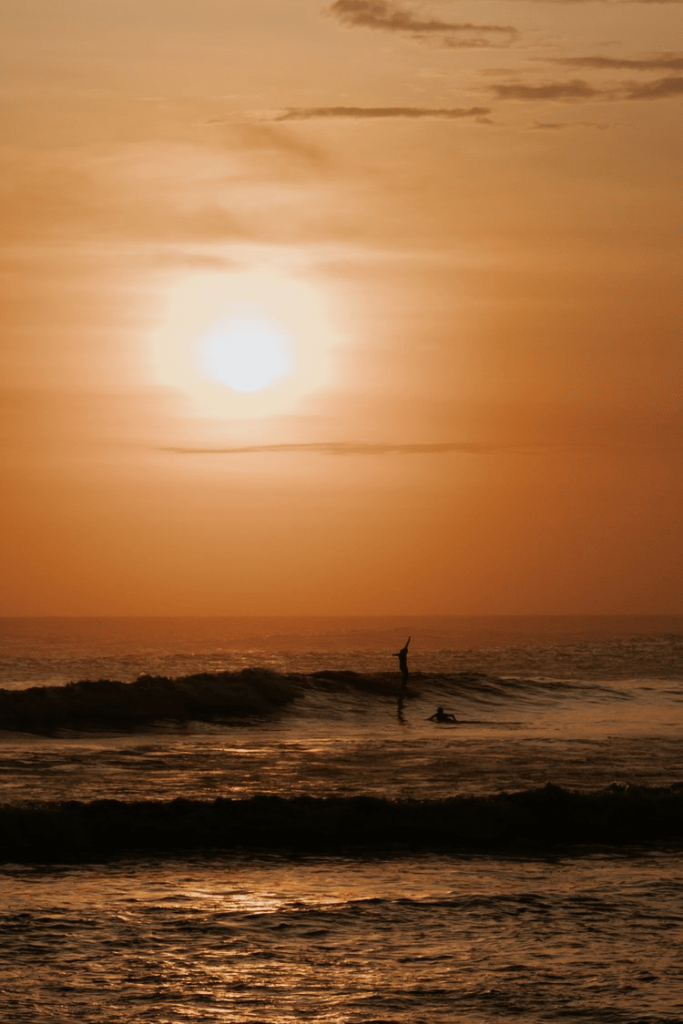
Our time in Peru may seem a little different to the potentially expected tales of the Andean mountains and striking colours of the Quechua people. It is a shame we didn’t get to experience Machu Picchu this time around but instead, like pigs to mud, we find ourselves constantly drawn to the coastline in search of waves.
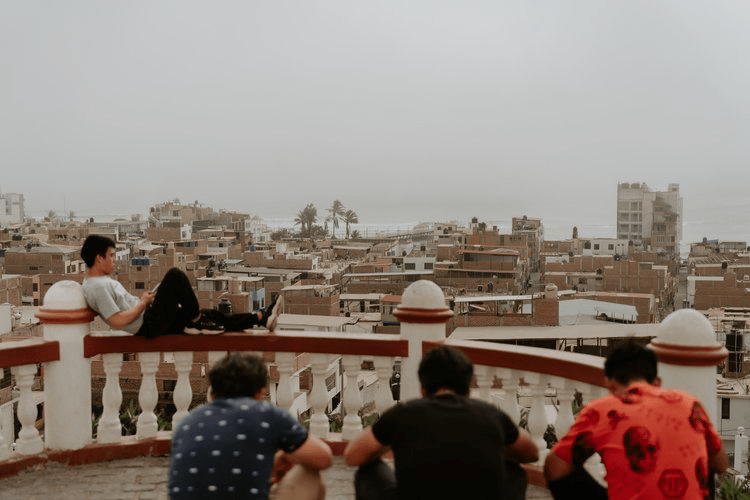
Our first few days in Lima were jam-packed with salty surfs, fabulous fresh ceviche, pisco sours to match and great laughs with Jano, an old Peruvian friend of Ben’s. Lima is perched up high on a bare-faced plateau, overlooking a highway that hugs the coast and its few beach breaks.
On our few ‘city surfs’ we met the famous ‘Pampi boys’. They are a group of old men who have been surfing at Pampillo beach for as long as anyone can remember. A friendly, talkative crew who were curious about our cork and paulownia boards, and our travels. We also discovered that at each surf spot, there is often a person who minds surfers’ car keys, leaves a bucket of water by their car for rinsing feet and will whistle at 8am to let them know it is time to head to work. And all for a few soles. A summer job opportunity at Jan Juc carpark perhaps?
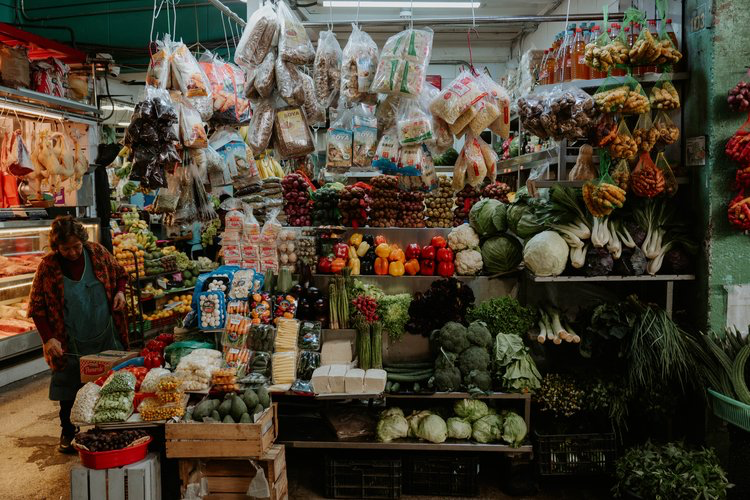
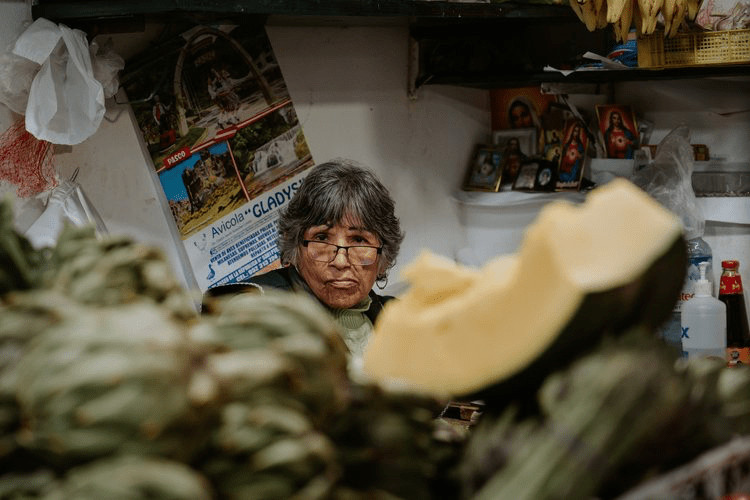
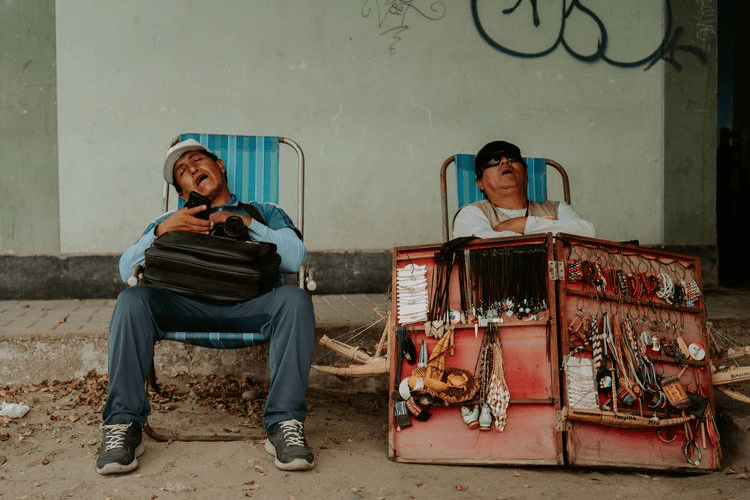
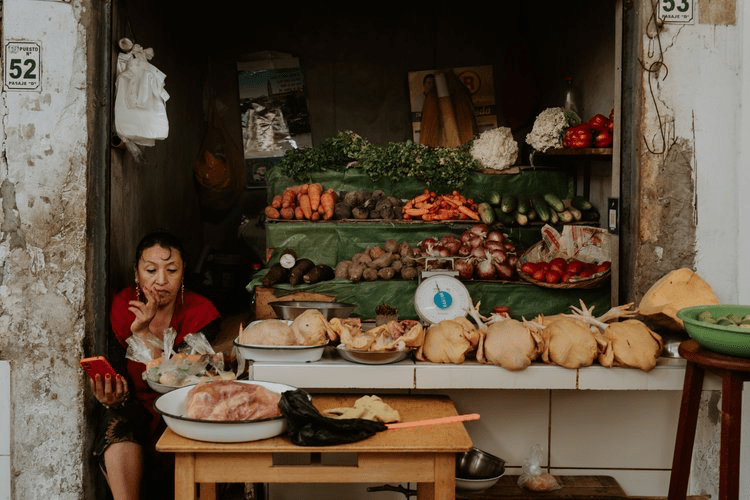
Lima is known as the gastronomical capital of the Americas. Over time it has incorporated dishes brought from the arrival of the Spanish conquistadors and waves of immigrants: African, European, Chinese, and Japanese. This has influenced Lima’s cuisine with the incorporation of their ingredients and techniques (such as the Chinese extensive use of rice or the Japanese approach to preparing raw fish). A visit to the local market showcased Peru’s ability to grow such a diverse range of produce, which I’m sure is another reason for the nation’s exemplary culinary delights. It was also a feast for the eyes and we enjoyed photographing and filming the interesting characters and colours of the market.
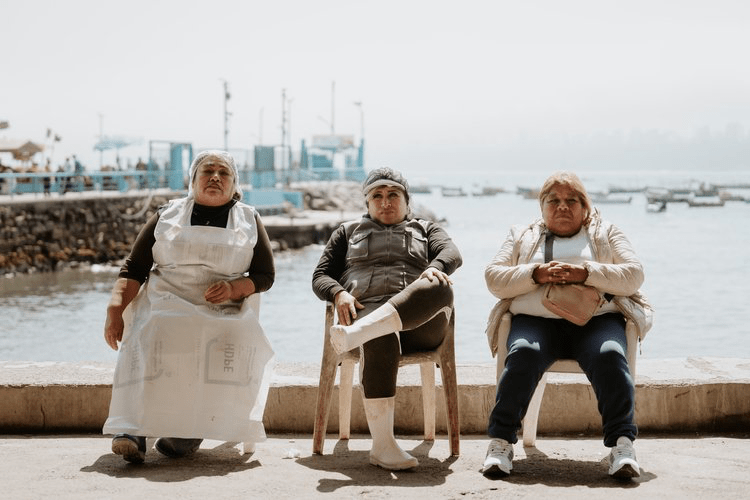
Huanchaco – the town that has it all
It was time to head to Huanchaco. From the bus window, the passing landscape was so unique – an expansive and undulating desert-scape, punctuated with towering ranges and sandy coloured rectangular housing piled on top of each other at the base. We caught glimpses of the ocean, along with towns and farms much greener than expected thanks to ingenious irrigation systems created many centuries ago by ancient inhabitants of the coast.
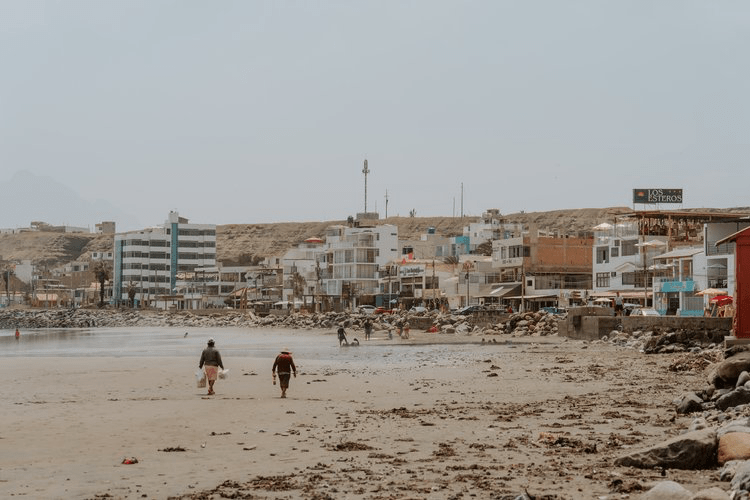
Huanchaco is a coastal town, located close to the ancient ruins of Chan Chan (the capital city of the Chimu / Mochica kingdom 900 BC). Between 800-1400, Huanchaco was the port for Chan Chan and its original population were indigenous fishermen, who worshipped the moon, and the ocean for its sustenance.
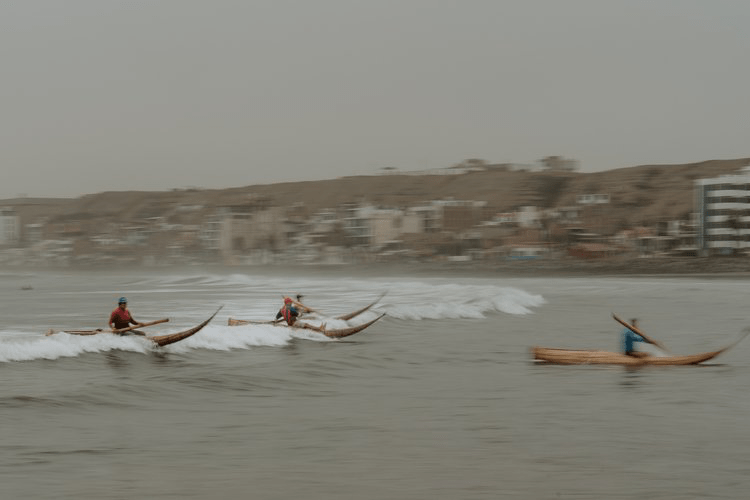
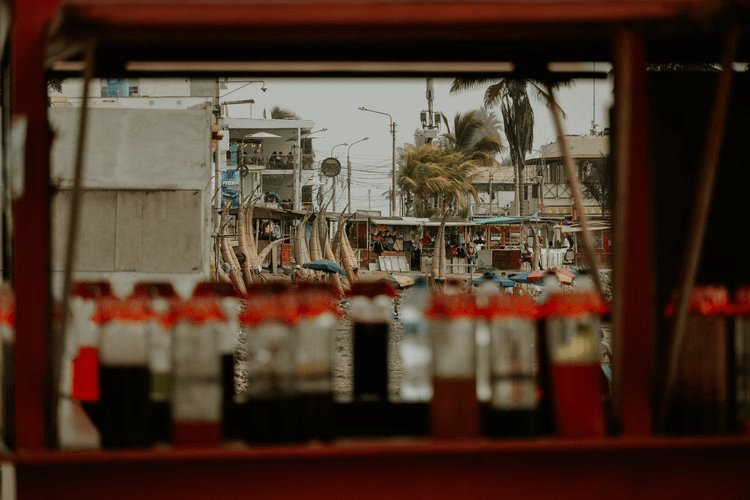
It is famous for its ceviche (confirmed!), surfing and caballitos de totora. In between morning mellow surfs, we would watch local fishermen who still keep the ancient fishing traditions alive using the caballitos de tatora, which are one-man rafts made from the reed ‘totora’.
We stayed in an eclectic and rustic hostel, which the owner turned out to be a local surfer that Ben had met on his previous trip to the town 12 years ago – another lovely serendipitous moment on our trip. Huanchaco has a great vibe and consistent surf, with no crowds…at least when we were there!
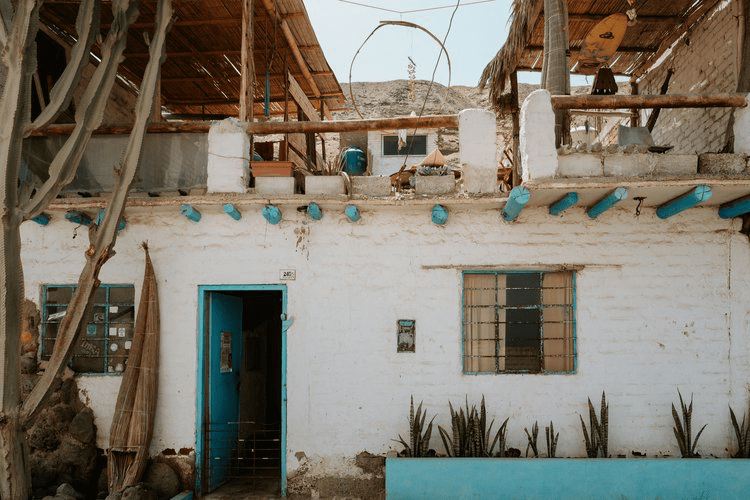
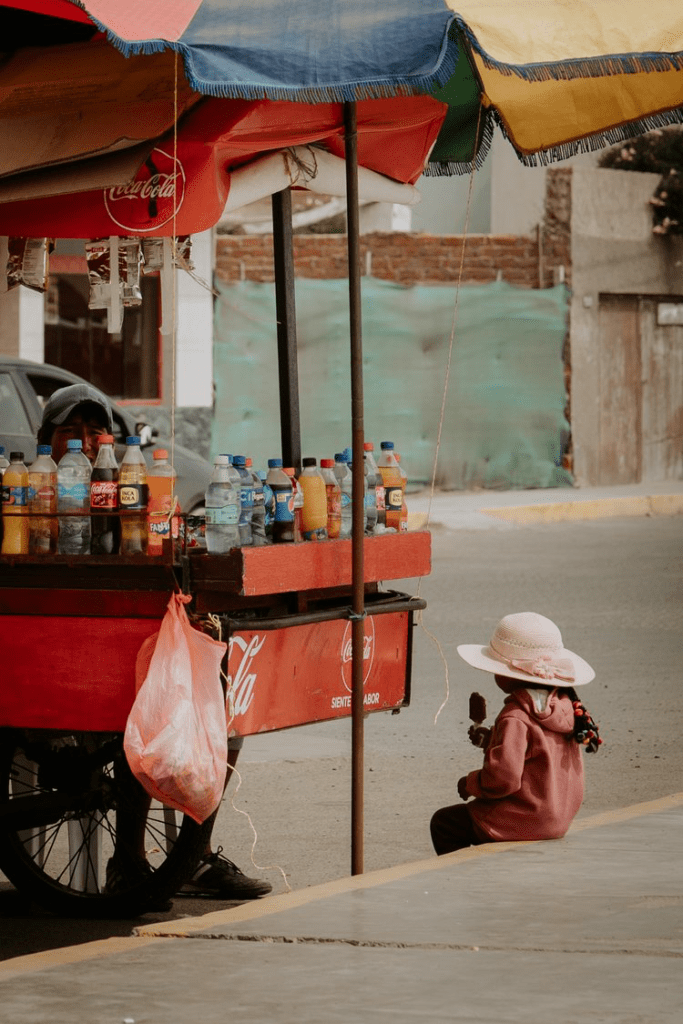
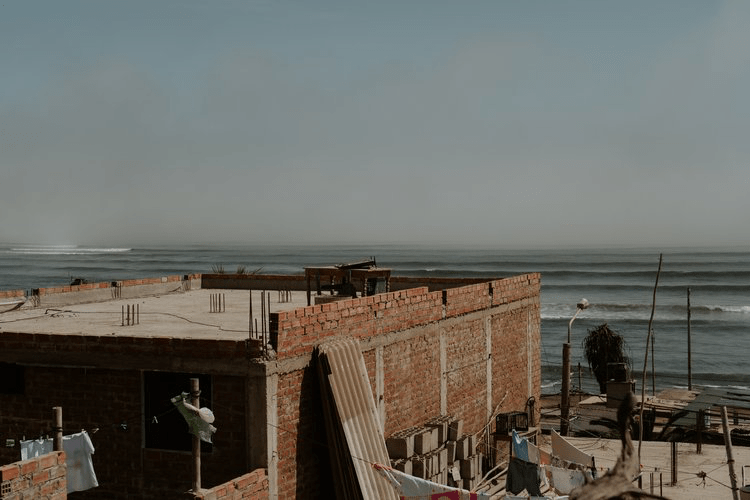
Pacasmayo and the celebration of 5000 years of surfing
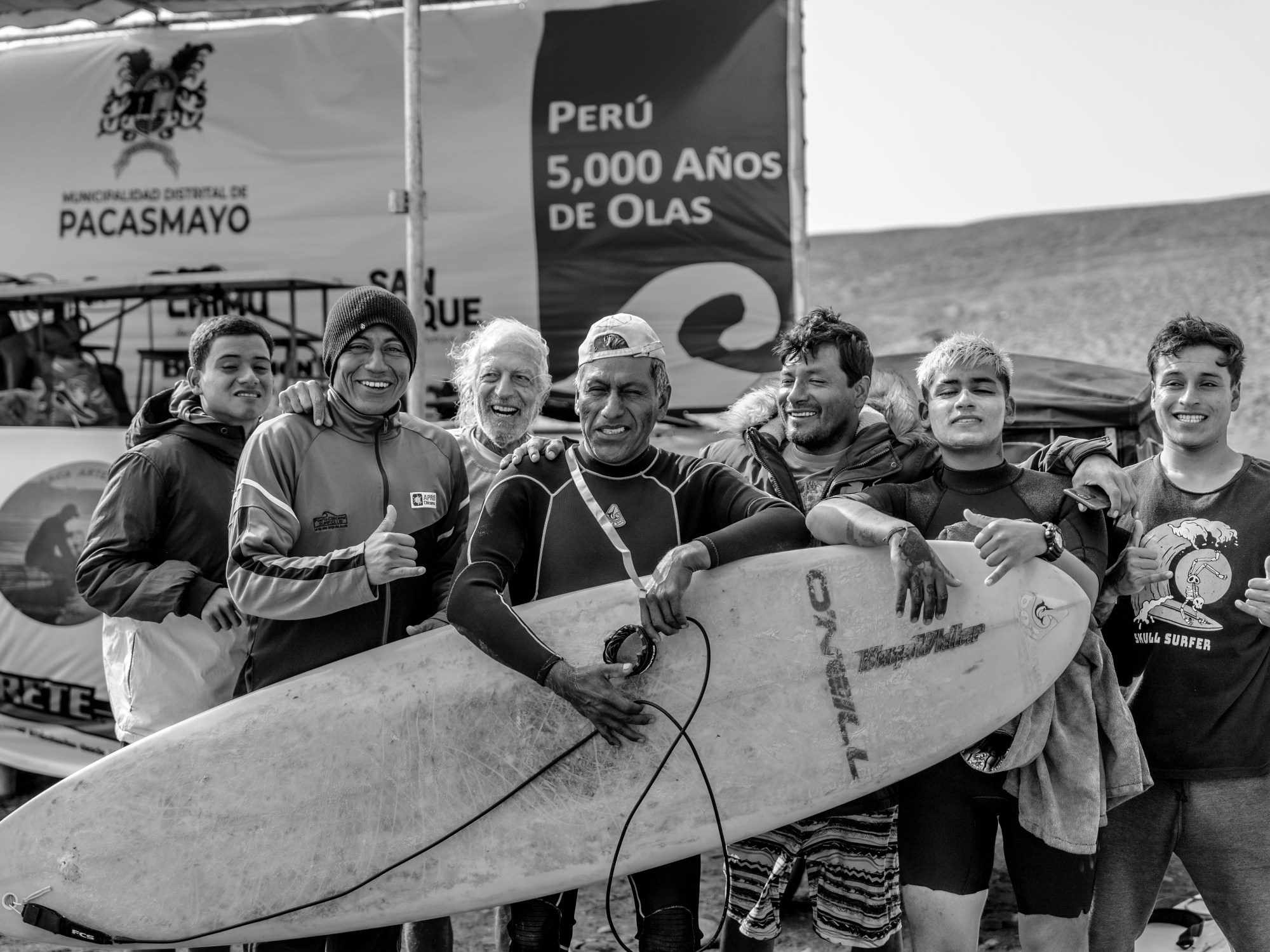
Jano made sure that we met as many locals as possible, and a surfer called Pierre was one of them. Pierre invited us to the Shi Muchik Fest – the great Mochica Moon Festival – which is a sporting and cultural event that has been taking place since 2012. This year the festival was focusing on the celebration of 5,000 years of surfing in Peru. Whilst modern surfing originates from Hawaii and Polynesia, numerous archeological findings and enduring traditions demonstrate that a special kind of wave riding practice started in the region 3000 BC. The first surfing world champion from 1965, Felipe Pomar, flew in from Hawaii as a guest of honour, and spent time teaching us all about this interesting chapter of surfing’s history.
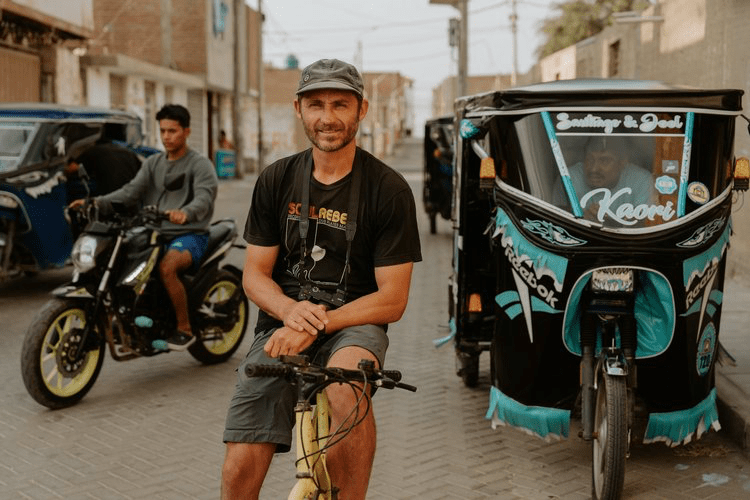
One key part of the event is a surfing competition held in the town of Pacasmayo. The comp was more about fun, participation and celebration of the history, so with a little bit of arm-twisting Ben joined Pierre in signing up. The next day we jumped in the car with Pierre and his partner Blanca and headed to Pacasmayo (just north of Chicama), excited for the comp and the chance to meet some of Peru’s surfing legends.
Over the three-day event, Ben surfed alongside some Peruvians (and a few internationals) who turned and tucked on the waves with that flare and comfort that often comes with surfing waves in your own backyard. Ben made it through to the second round and I hooted and shouted from the shore. It was so cool to take part in a local event and get to know the locals at a deeper level than just a friendly ‘hola’.


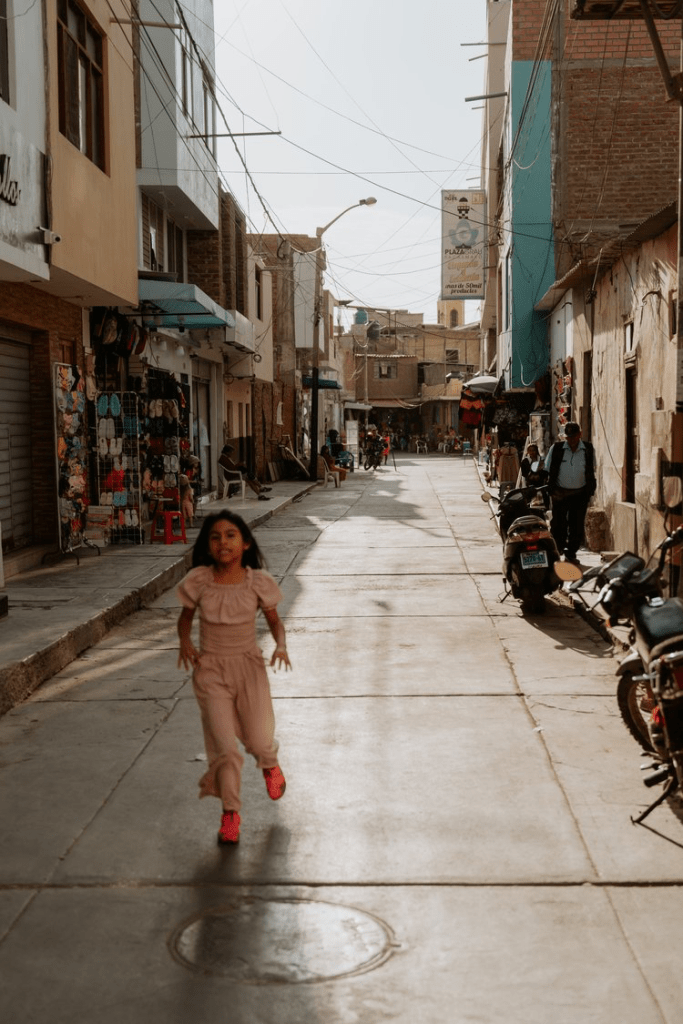
Chicama, world’s longest left-hander
There was instant love for Chicama.
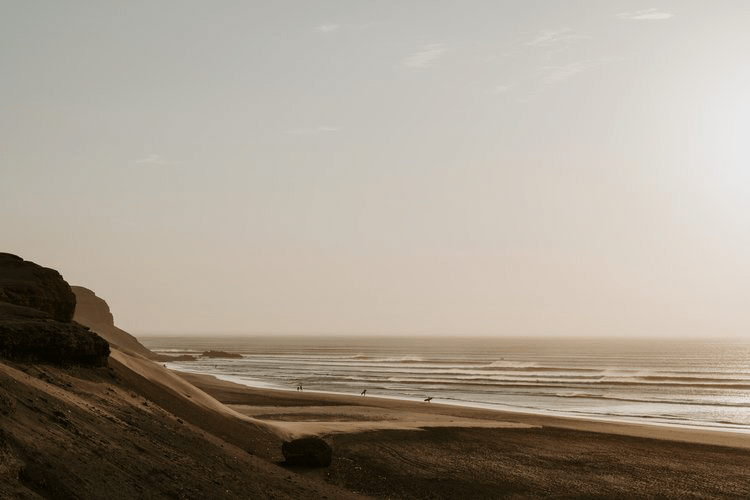
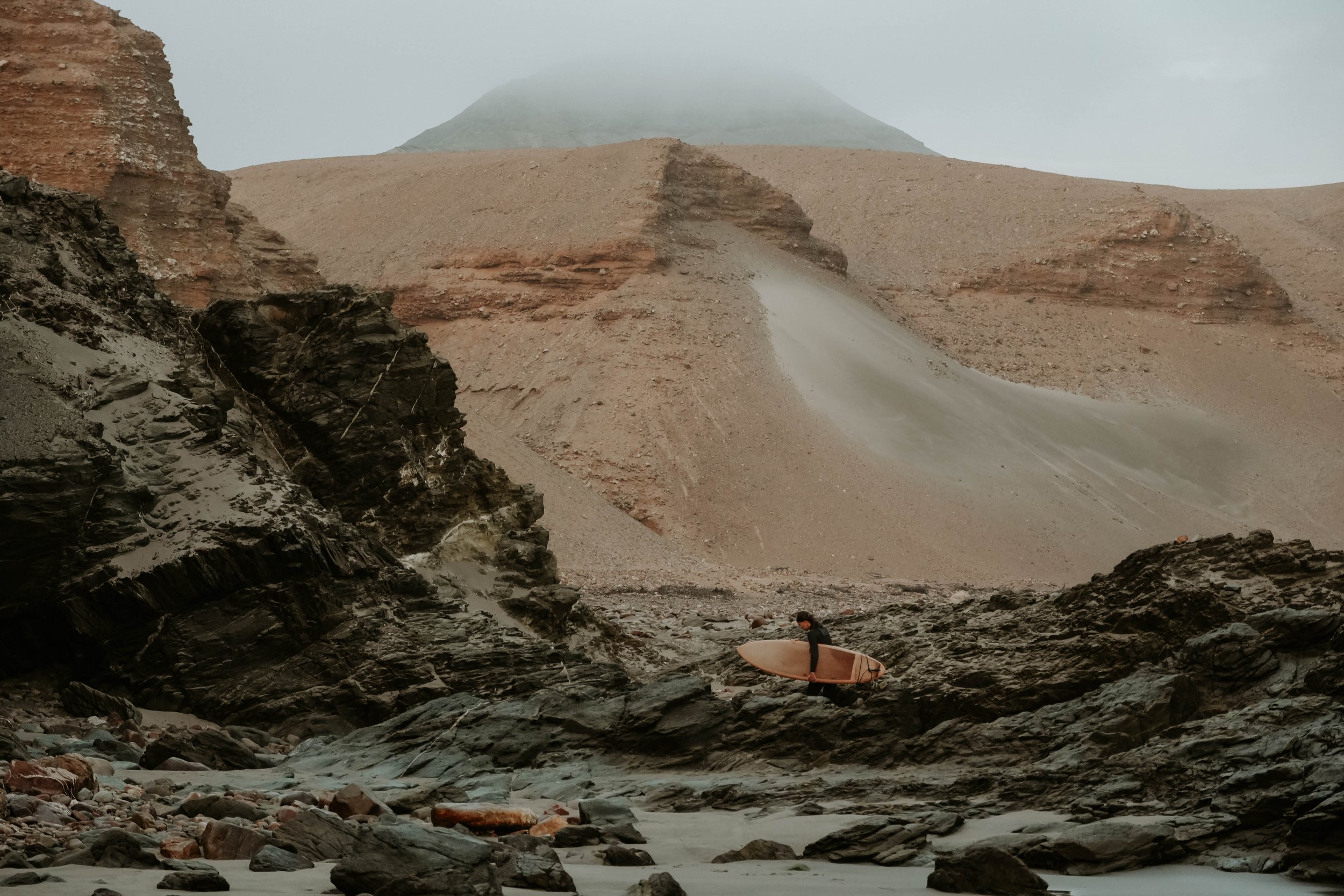
Surrounded by looming sandy mountains, vast views to the sea and of course the longest left-hand wave in the world, we practically moved in! Absent of a strong swell, the dusty, muted-coloured streets were quiet, but full of friendly locals and fisherman who worked on the many fishing boats that dotted the horizon.
The wave is 4km long, and often subject to strong currents. In recent years, some surfers hire zodiacs which drop you off at key take-off zones along the waves, which then pick you back up after a one to two min ride and repeat the process.
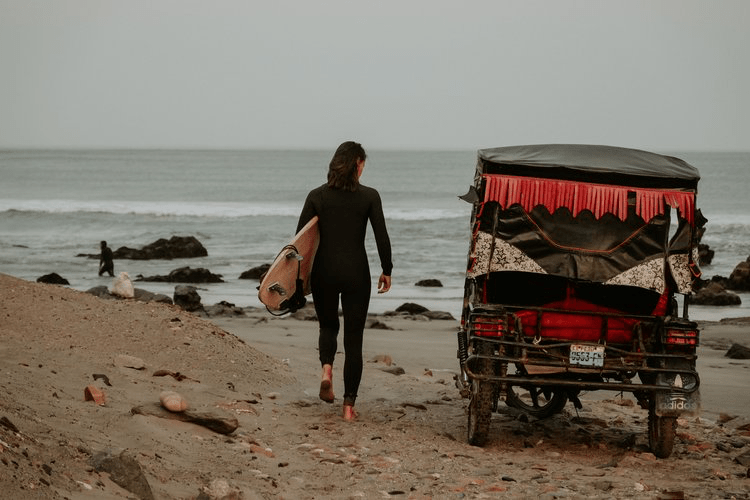
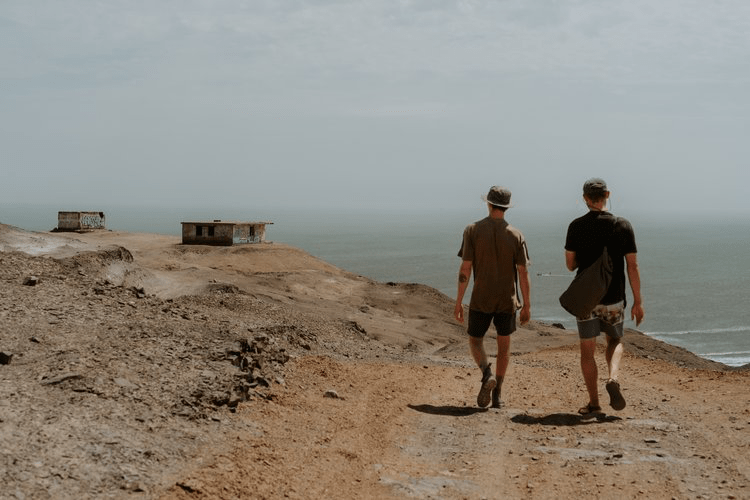
We chose the traditional method and toughened up our feet, strengthened our shoulders and walked laps all day long. Holding on tight to our surfboards (it was super windy most days) we would pick our way, barefoot, across the rocky terrain every morning (and most afternoons) to ‘The Cape’ – the furthest point to surf at Chicama. Even at one metre the waves were so much fun and I experienced some real breakthroughs in my surfing. I scored a few extra-long waves and a little thought ‘sign me up Ripcurl’ may have flashed through my mind, after an adrenaline-filled, leg-burning wave, but those thoughts were quickly vanquished upon seeing a recording of it!
It wasn’t all surfing though, we of course found some great little eating spots, explored the coastline with our new friend Will, and gave our best effort to pick up as much marine debris we could squeeze into some rubbish bags whilst keeping the sand out of our eyes.
The Amazonian Jungle
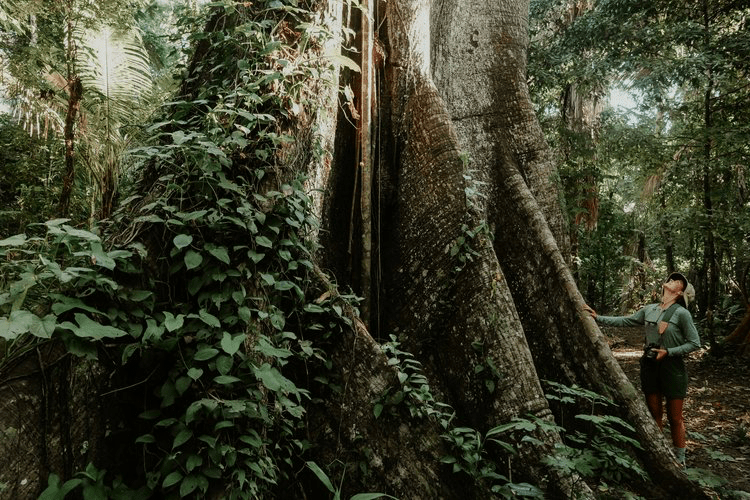
With the swell weakening and threatening not to return until what felt like Christmas, we decided to switch out our scenery for the humidity-infused, vivid-green tropics of the Peruvian Amazon jungle. We arrived in Puerto Maldonado and jumped on a boat with a fantastic tour business called Jungle Pro and headed down the Tambopata River – an area of Peru that is bursting with biodiversity. We don’t usually sign up for these kinds of guided tours, but it felt like the only way to intimately and respectfully experience the jungle and its abundant population of animals, without being eaten by a jaguar, a black caiman or an anaconda! Our guide Pepe, was a local from Puerto Maldonado and studied for four years at technical school to learn to be a tour guide. His deep knowledge of the area, along with his incredible patience with our small group made it extra special.
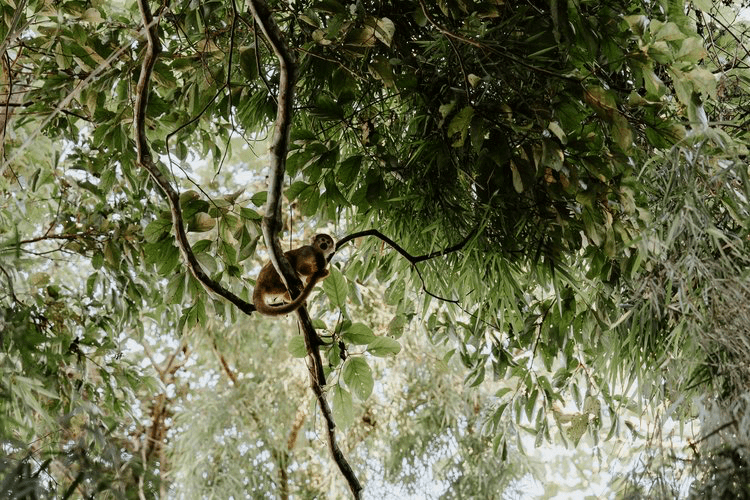
Time was spent either on simple canoes or boats exploring the river and lakes, or on long, slow walks through dense forest. The list of flora and fauna we came across is extensive, but here are a few highlights:
- The families of Giant River Otters on Lake Sandoval and Lake Sachavacayoc, who were busy catching fish and playing amongst themselves. The otters live up to their name and can measure in at around 1.5 to 1.8 meters long and weigh up to 22 – 32 kg, that’s a lot of fish they must consume! In Peru, they are classed as an endangered species mostly due to habit degradation, river contamination due to mining and agriculture, as well as over harvesting of fish. We were lucky to see such creatures at play.
- The Black and Spectacle Caimans sauntering through the water with quiet confidence. They ventured close to our low-lying canoe and one even decided to eagerly run at our boat from the bank, me taking a big leap into Ben’s lap with the thought of it climbing into my side of the boat. The black caiman is the largest member of the alligator family, and the largest predator in the Amazon River basin, with adult males reaching up to 5 meters in length.
- The Red Howler Monkeys whose haunting ‘howl’ woke us up on our first night in the jungle. The sound reverberated all around us and was the effort of only one male marking his territory – its howl can be heard up to 5km throughout the forest. NB: Watch Ben’s stunning Peru film and listen out for the recording at the conclusion. Howler monkeys travel in troupes with one alpha male and its females and babies. If there are too many male babies in the mix, the chief will kill them off to keep the balance – ouch!
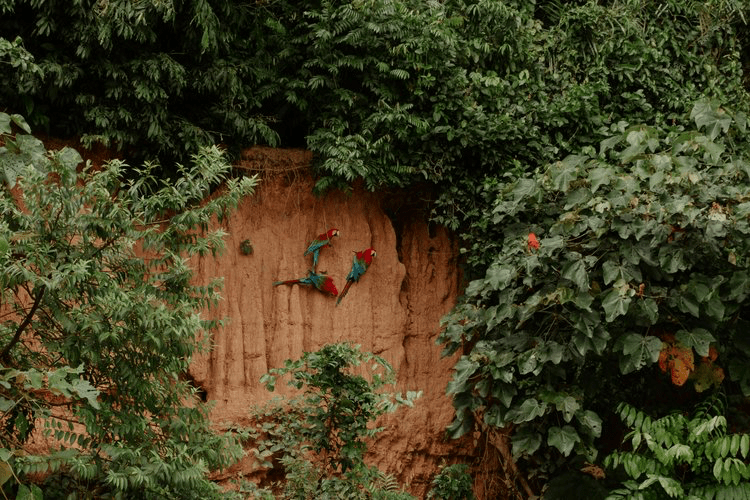
- The brightly coloured Macaws we spotted licking salt from the clay cliffs and flying overhead in pairs. Aside from their exquisite plumage, Macaws are important components of the jungle in their role to disperse seeds which helps the regeneration of trees. Did you know that all Macaws are left-footed, using their right foot to support themselves and their left foot to manipulate their food.
- The furry and frightfully-big tarantulas that would come out of their hidey-holes at night time, the light of our head torches making them look even more menacing than they actually are.. although one species is called the Chicken Tarantula!! But no it doesn’t eat chickens, instead it eats insects, arthropods and other spiders. One of the most amazing facts is that they have a life span between 15-25 years! There’s some wise old tarantulas out there.
- The Leaf-Cutting Ants marching along their jungle-floor highway carrying leaves quadruple their size. If you paused for just a moment, you could almost hear the hum of millions of little legs moving at pace, below the orchestra of bird calls, fluttering of wings, rustling of trees and monkey shrieks. We learnt that these leaf-cutting ants have a beneficial symbiotic relationship with fungi, and contribute to the overall health of the jungle ecosystem. They create underground fungus “gardens” by clipping and gathering fresh vegetation and injecting the pieces with a fungal secretion that digests the often poisonous plants into an edible and nutritious mushroom form.
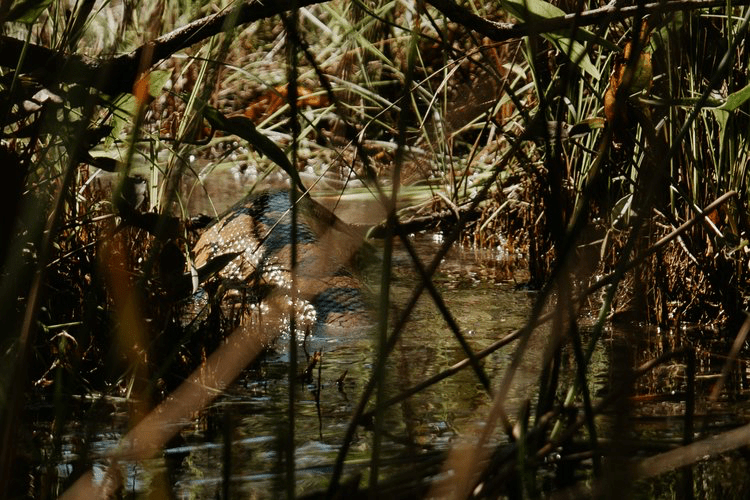
- And last but not least, on our final day in the jungle we were very fortunate (or some might say unfortunate) to spot an anaconda!!! Well, part of it anyway, and the part that we did see was so big, that Pepe our guide, thinks it could have been up to 6m long. We were again sitting in a low-lying canoe on Condenado Lake, when Ben yelled out ANACONDA! We must have disturbed it by floating over it and we saw it as it was sliding away over a log, just a few measly meters from us. That night the other guides at the accommodation were both happy and envious as they haven’t seen an anaconda in that area for a few years.
We could go on with our list of sightseeing extravaganza but we will leave it there only to say that the Peruvian amazonian jungle was a true experience for all the senses. The dense, warm air wrapping around us like an unwanted heavy winter blanket, the rich musty smell of degrading vegetation, the intense colours of foliage and feathers and the many sounds and scratches of a living, thriving jungle. It was all very special to experience and yet of course so heartbreaking to hear what we know so well – the negative impact of humans on the incredible, ever-shrinking, Amazon jungle. In Brazil, it is the devastating and extreme clearing of the jungle for cattle grazing and production of cattle-feed. In Peru, it is logging and gold mining. We spoke to a few locals, who had differing opinions. For some it is a way of life, albeit dangerous and illegal, but for others, they recognise that it is impacting their beloved home and rainforest, as well as their wellbeing (due to residual mercury in waterways). We hadn’t heard about the impact of gold mining before and it took us by surprise. If you are interested, here are a few articles that help to explain the situation:
https://www.nbcnews.com/specials/paradise-lost-inside-peru-s-emergency-zone/index.html

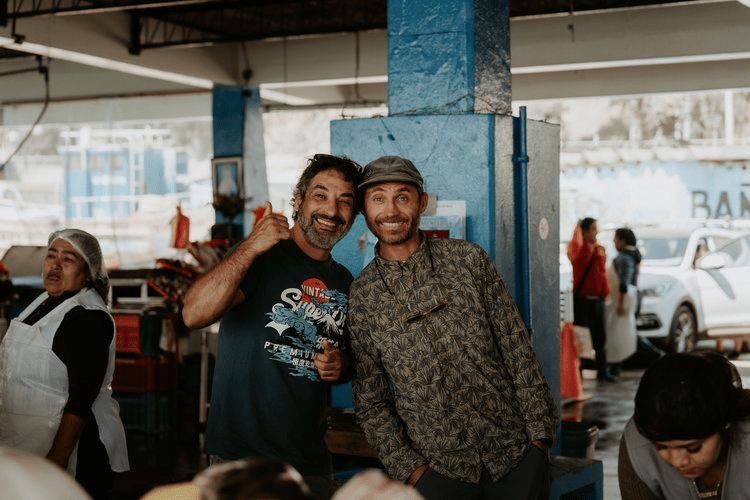
Time to leave the jungle, we headed back to Jano’s house in Lima to spend our last few nights in Peru. Again we indulged in a fiesta of eating. Visits to the veggie and fish markets resulted in a stream of delicacies exiting Jano’s kitchen and onto a long table where we spent the evening chatting, laughing and eating it until there was nothing left but a few yummy crumbs and delicious sauces that had to be licked off our fingers.
From the ocean to the jungle, Peru is a vibrant and friendly country that has shared some magnificent times with us and we look forward to visiting again someday. Thank you to everyone who made it extra special!
 The Duck Whisperer