
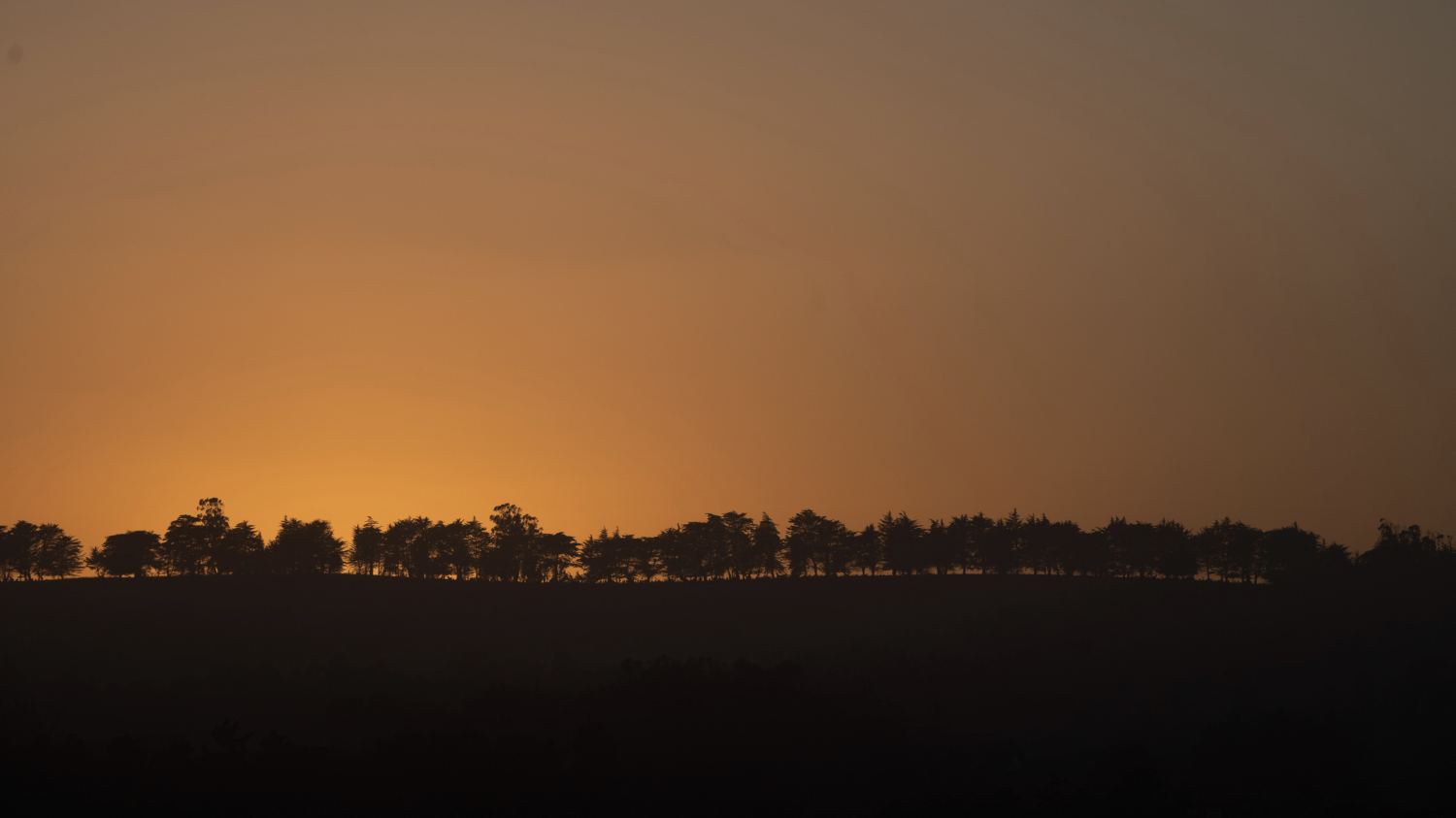
We have just spent nine weeks in Chile and a bullet point update is very tempting here, considering the variety of anecdotes, the interesting characters we met along the way, and the many feelings that such a diverse country generates…but here we go. First here is the movie:
Chapter One of our Chilean experience was one we had not necessarily planned. We originally anticipated purchasing a van to explore the coastline, then sell it three months later. Whilst doable it comes with its complexities – the local administrative requirements, the quality of vans on offer, and not to mention their excessive prices. Selling the van in five minutes before moving to our next destination would have also been tricky. We obviously didn’t think that through too well! So instead of a van we rented a little studio below the rustic house of Luis, our 70-year old new Chilean friend. This we did in Punta de Lobos (Sea-Lions Point), an exceptionally consistent surf spot only four hours south of Santiago. We stayed almost four weeks and whilst it didn’t feel that natural to stay so long in one place, it allowed us to immerse ourselves in the local life, and surf some rather powerful waves on a daily basis. Although powerful is an understatement when it gets to five meters and the current is so strong!
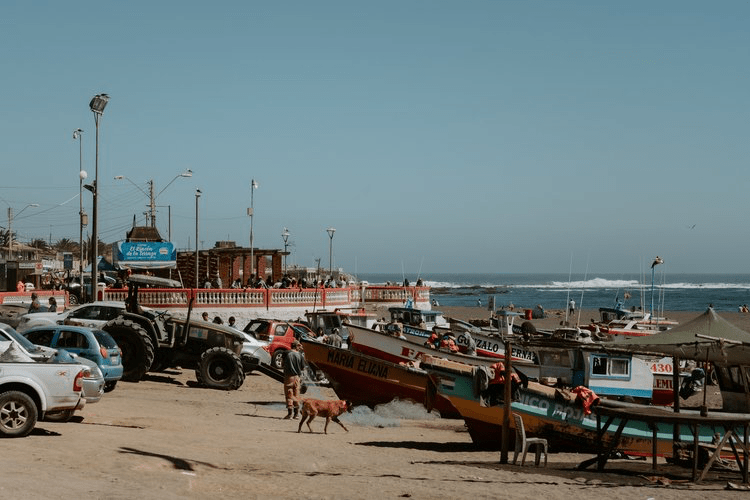
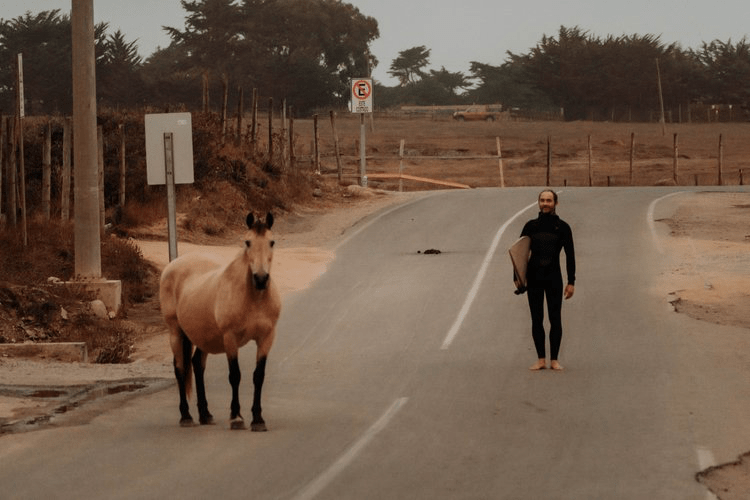
We created a nice little life for ourselves (sorry here we go with the bullet points!) and especially enjoyed:
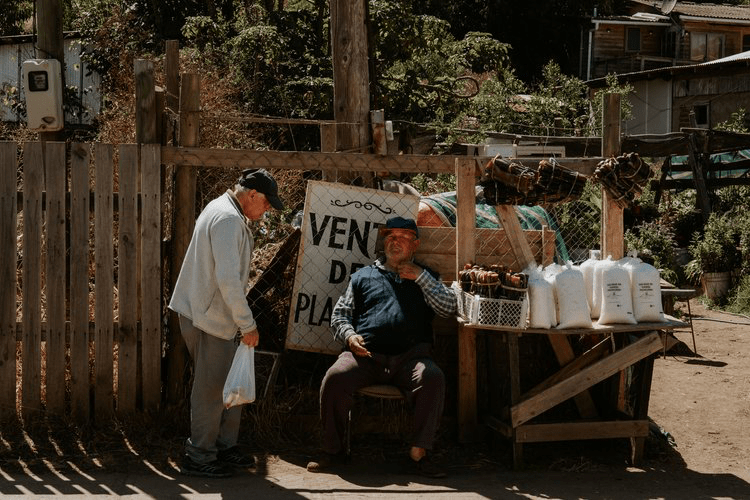
- Spending some time with Luis and learning about the sad epoch of Pinochet, but also the enduring musical and culinary traditions like cooking cochayuyo, a super tasty seaweed stew.
- Surfing every morning before the surprisingly limited surf crowd gets out of bed. The beach, however, would quickly fill up each day with brightly coloured umbrellas and their owners from Santiago, enjoying their February summer break.
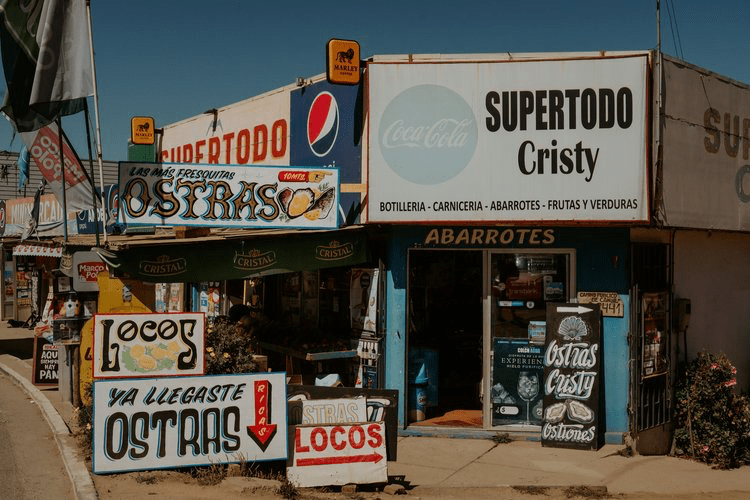
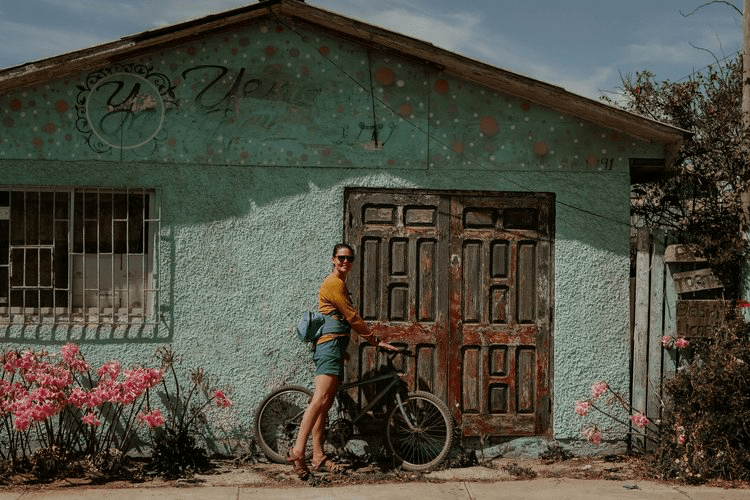
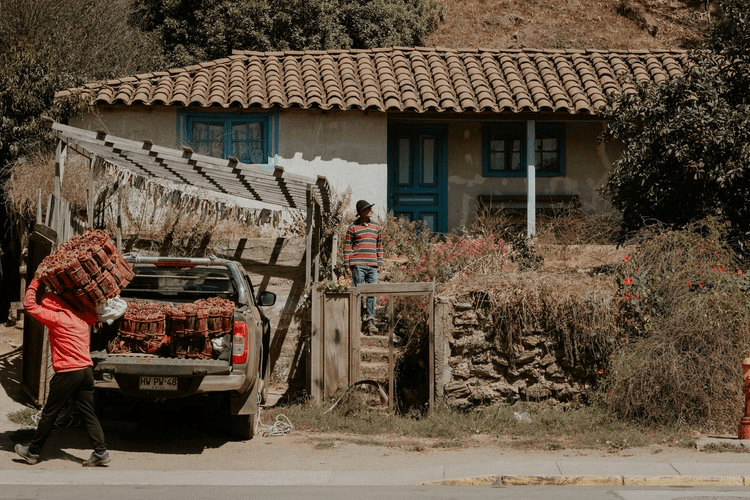
- Finding rusty old bikes (for very few pesos) that became our main form of transport. We explored the closest towns of Pichelimu and Cahuil, stopping often to buy the most delicious pastries (pecan tarts and croissants that could rival your favourite boulangarie) and fresh, hot cheesy empanadas. Each town was quaint and lively in its own way, but imploding under the influence of local tourism and those looking to move regional since Covid.
- A beach clean up along the dark sandy cliffs of Punta de Lobos, locals lending a friendly ‘gracia’ and a helping hand as we went.
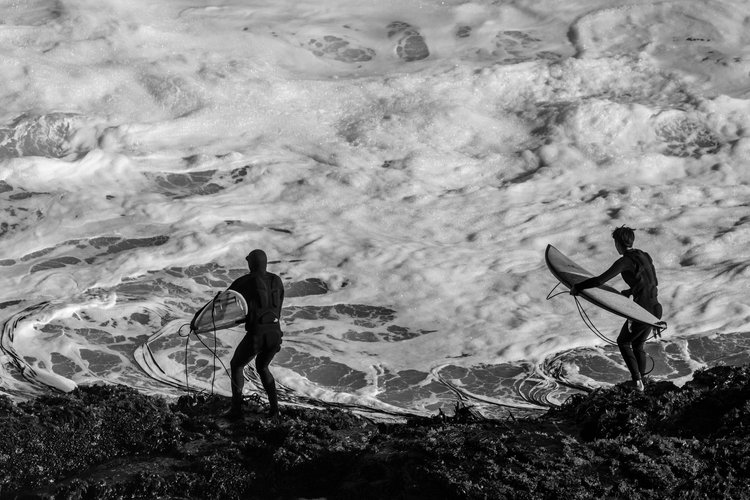
- Admiring the many big-wave surfers who flocked to the point on those powerful 15-foot days. Their impact suits, a fleeting cross marked upon their chests and a fearless mindset to accompany their sessions.
- Meeting Marso, a wise marero, who spoke passionately about drawing energy from nature and warned against getting too caught up in today’s digital world. His animated stories left us feeling closer to the ocean and nature. Marero is the term used in the Huilliche communities of southern Chile to refer to the person who collects shellfish, fish and seaweed such as cochayuyo.
- A week with Sean & Amy Moffat. Our new friends who had adopted us in the Falklands flew in to join us, which offered more excuses to explore more local eateries and enjoy a few Pisco sours.


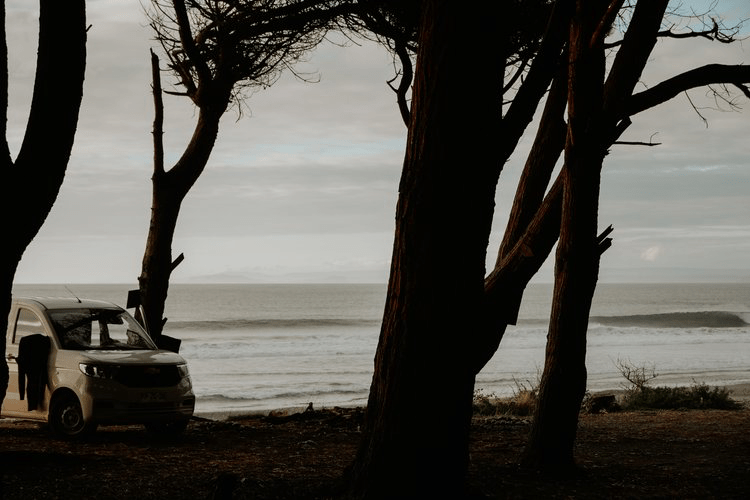
Chapter Two involved mixed feelings as Laura had to fly home to deal with French visa requirements, and I jumped into a small rented Chevrolet van to drive south and search for empty waves. The concept of searching (and hopefully finding) beautiful waves in remote parts of the world is quite a thing in a surfer’s mind. But somehow in Chile I found myself hoping for a little company in the water rather than solitude. The waves I came across often were intimidating, not necessarily easy to access by van, nor by foot. The access points were either really steep and overgrown shore lines, or just rocky with very powerful waves that didn’t necessarily make me feel so comfortable. I did find some magic places though and met some really helpful local surfers at times, who were more than happy to share local knowledge. It’s worth noting that the attitude of surfers I met was the most welcoming I have come across. They would always greet me politely, introduce themselves, and were very tolerant with my crappy Spanish too! These encounters often dictated the next stop along the coast as I followed their recommendations religiously.
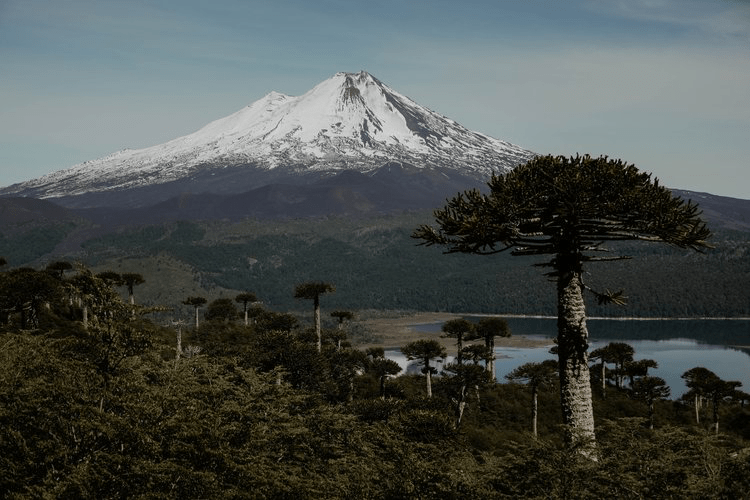
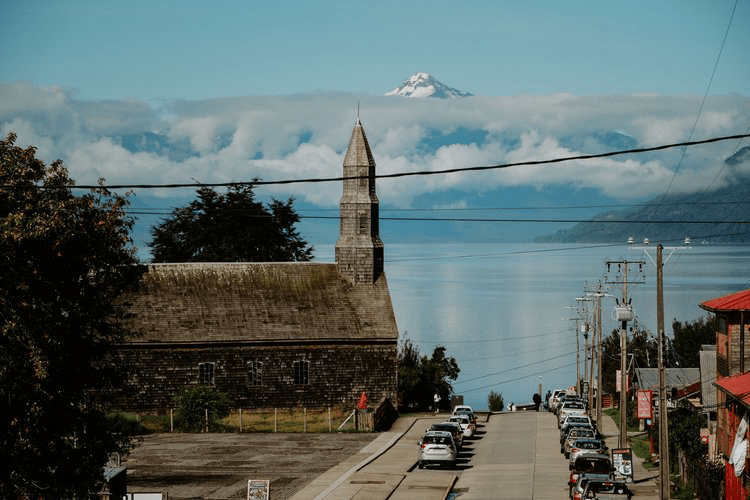
At one point, I suspect I fractured my foot in waves that exceeded my capabilities, which put me out of the water for 10 days. This was a perfect opportunity to drive inland and explore some volcanic and mountainous regions that really impressed me. The small villages that I came across were often really picturesque too, with the strong German influence meaning that houses are simply beautiful in their authenticity with a lot of timber and shingle facades.
After a couple of weeks, a ton of snowcapped volcanoes, a 50% mix of sunshine and rain, and two-days stuck outside my van with nothing more than my shorts, thongs and a t-shirt after locking my keys inside, I eventually reached Chiloe Island. I had heard of a wave many years back and was keen to see it for myself. It wasn’t actually that hard to find it, but surfing it was another story. The last surfer I met on the mainland said: “Not many people go there, it is a slab, it’s shallow and it’s fast!”. When I arrived I realised that I had to first get authorisation from the army to get through their land, then more or less abseil down some steep and slippery bushes. I was glad to see that the wave was small that day and manageable. In fact the spot was magnificent and a really friendly dutch couple I had met the night before had joined me on the mission. They were probably expecting some Slater-esque action but most likely were bored on the shore as the ocean was rather sleepy when I paddled out and my turns happened more from my neck up, rather than below my waist.
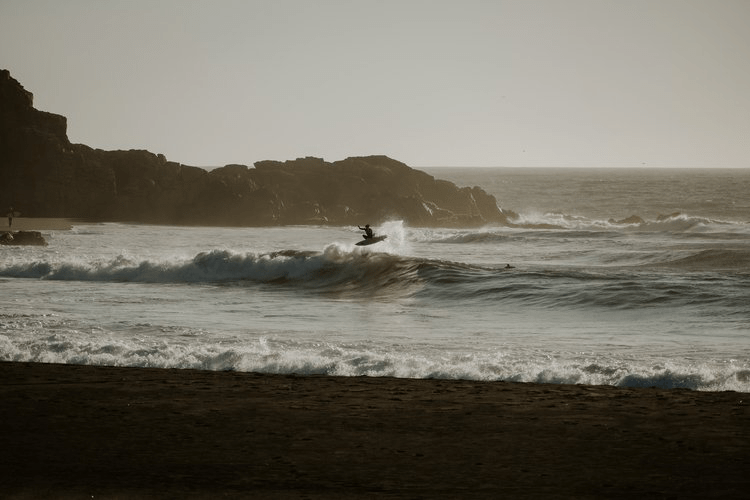
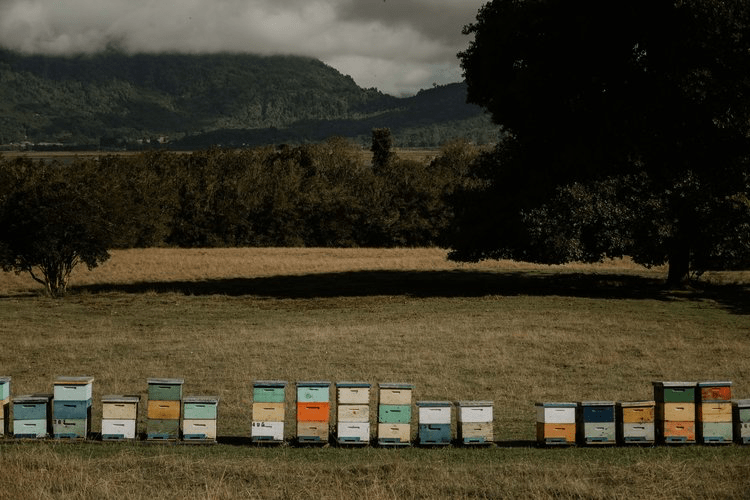
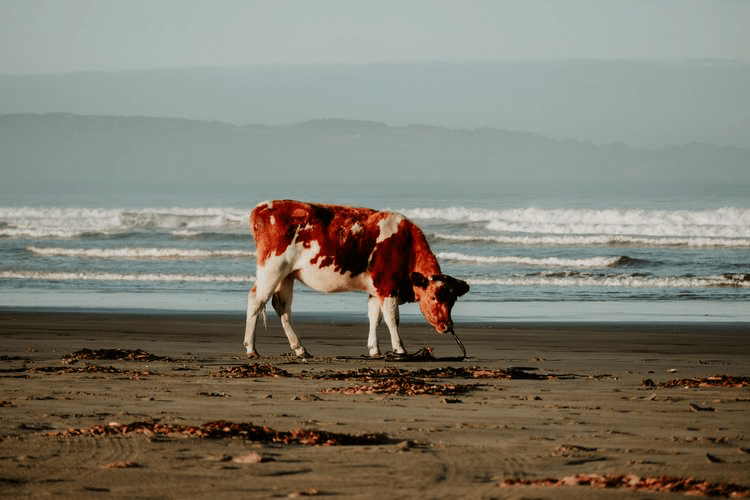
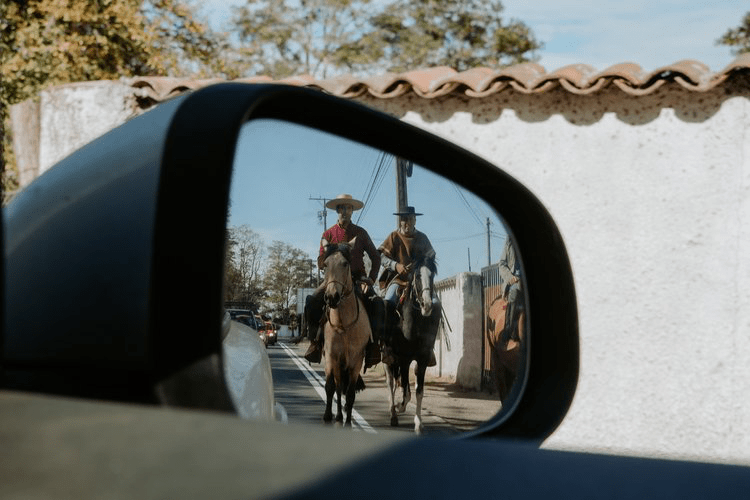
Chapter Three was the dream scenario in the context of a surf trip. On the way down I had stopped at a firing & barrelling left point break and enjoyed a satisfying session. As I walked past some surfers, who shook my hand in a true gentleman style (again, something I haven’t experienced elsewhere), one realised just by hearing my “Hola, Como estas?” that Spanish didn’t quite come naturally for me. He skipped to English and realised quickly that this also wasn’t my native language, and said “T’es Francais?”. He, Loys, was Swiss, but happily relocated here with his brother Alain 20 years prior. I can understand why. The region, and the country isn’t over populated, full of quality waves, and the way of life revolves around the ocean, food and simple living.
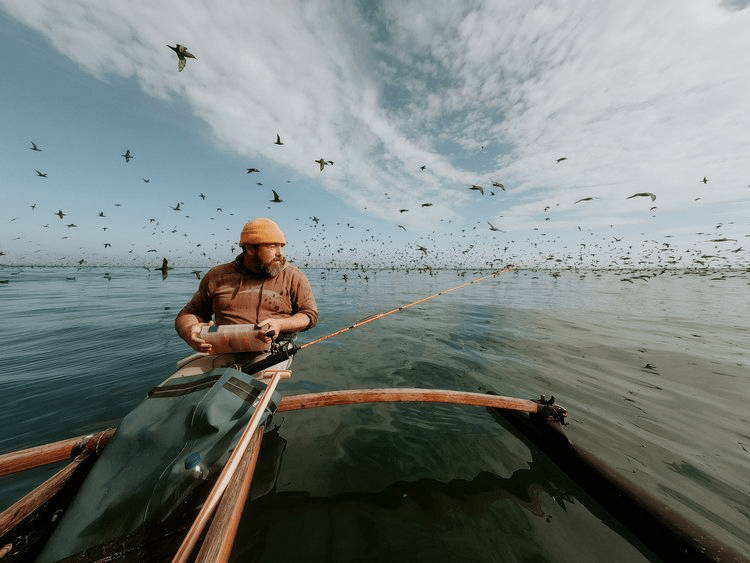
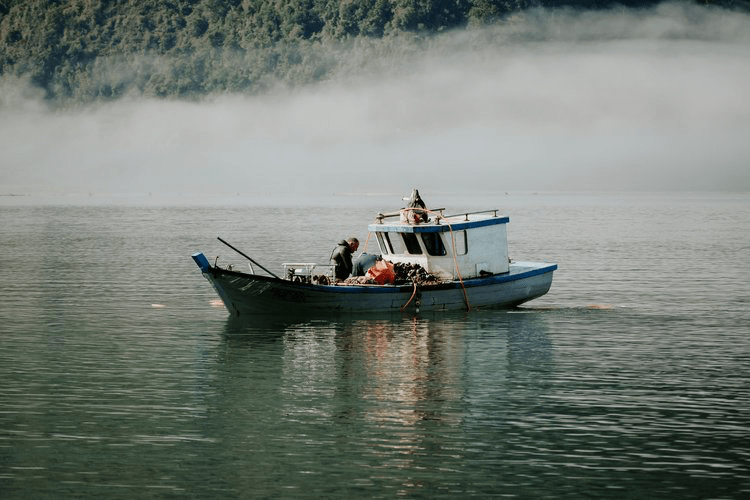
On my return north and after 5,000km on the road, I stopped by their place to say hi again…and ended up staying there for 2 weeks. We laughed and ate from morning to night, and surfed in between. The surf impressed me. Perfect left point breaks lined the coastline for kilometres and only them and their friends were there to enjoy it. It was never flat and was offshore every morning. The coast is raw and rugged, and requires great knowledge as always, so I would have never found these waves without them. Loys and Alain are real characters, and so are their friends. It was quite an entertaining two weeks where I learned that one doesn’t need to rush through the day and cram as much as possible on to-do lists to live well and feel productive. They take time to talk, listen, cook real meals for lunch and dinner, call friends and family daily, build beautiful timber objects and furniture for a living (with a house & workshop overlooking their very own point break) and sometime go fishing for Corvinas and Barracudas on their outrigger straight out the front.
Laura often says “I looooove humans!” in response to meeting people on our travels. Their generosity, and the friendship that developed was what really made me feel the same! I must add that I learned a lot from them and from Cami, Loys’s partner, who taught me a lot about the various environmental challenges that Chile is facing, with excessive logging, rubbish management, salmon farming and property development along eroding coastlines.
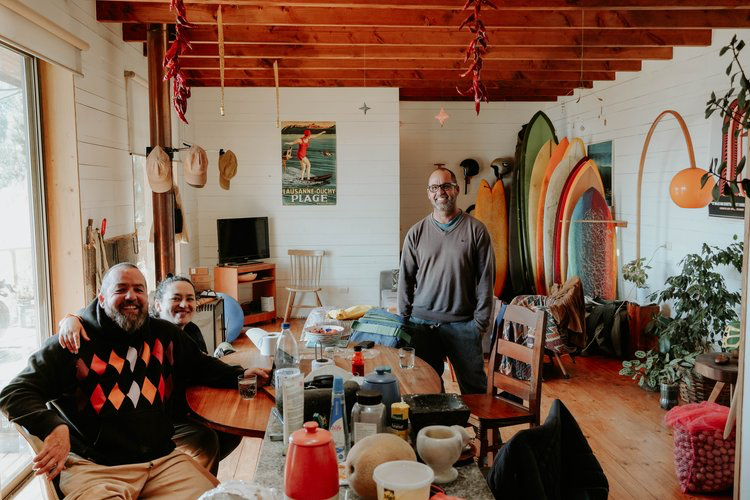
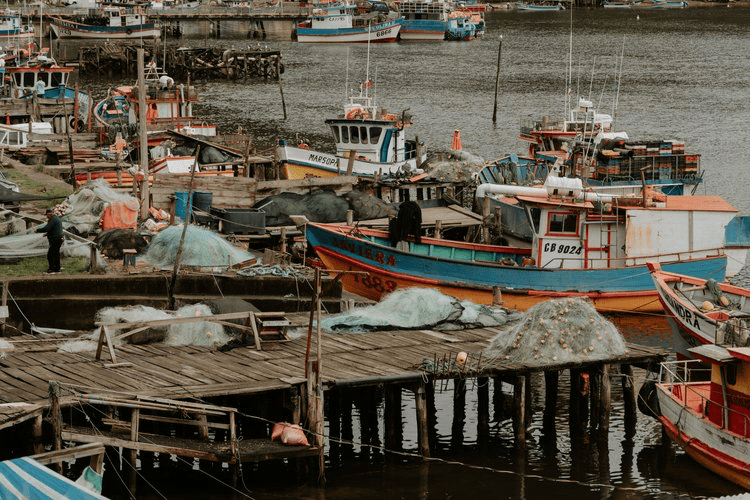
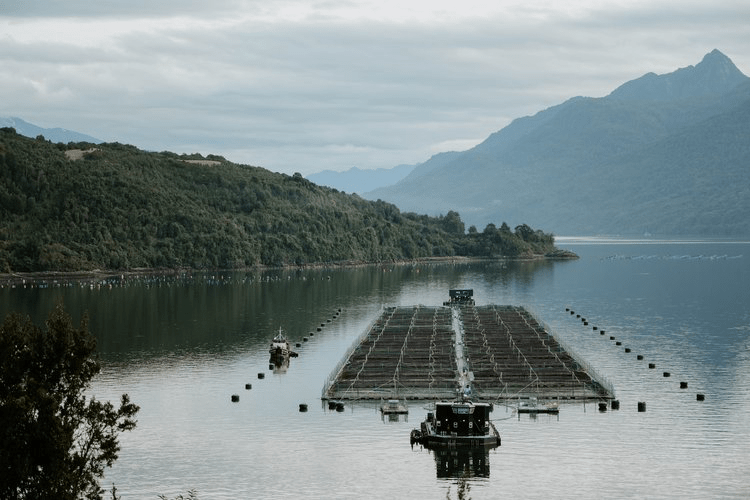
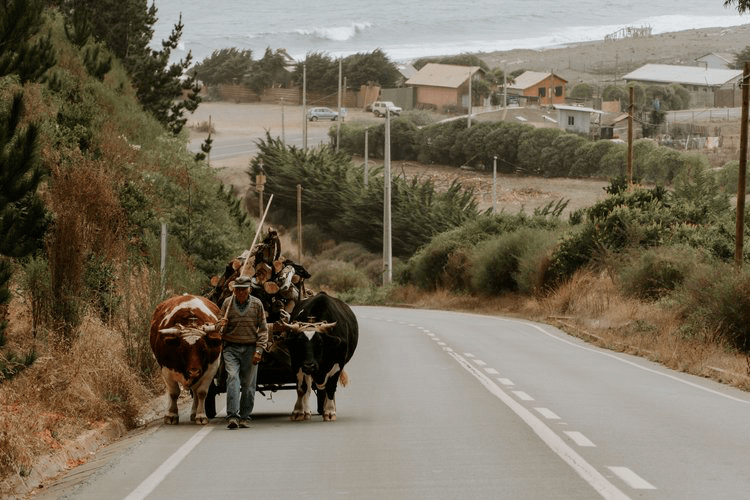
These issues are quite graphic, contrary to many other poor environmental practices that we don’t necessarily see or feel on a daily basis, such as mining, air & water pollution. We always feel terrible pointing out anything negative about anywhere we visit, but if we had to be critical of what can be observed along these 6,500km of coastline this would be it. Chile is facing some economic challenges and like everywhere the chosen short-term solution is growth, as the market economy requires it, regardless of the fact that most natural resources are limited. I am currently reading Arctic Dream from Barry Lopez (a biologist and author). In the book he questions whether humans have learned from previous mistakes and reminds us what we did with whaling in the early 1900s, and simply continued the practice until extinction…we should learn from this, yet we are still doing the same with just about every other natural resources. He also reminds us that Eskimos call white westerners “People who change nature”. Reading these words as we were seeing entire hills deforested, and salmon farms (some abandoned some not) in every bay, really was troubling. This is not to be critical of a culture, or not to compare with any other, but rather to share what we saw and the fact that the issues we see in our own backyard exist elsewhere in different shapes or forms.
We were however so inspired by the resourcefulness of the people we met along the coast. The cost of living seemed higher than at home and wages not so, but everyone works so well together. One surfer I met who has a strawberry farm shared a saying: “Better to have friends than money”. They all support each other with what is available to them. People who find themselves in financial difficulty often will help fishermen in exchange for fish, or farmers for bags of potatoes. They will harvest cochayuyo to sell it, grow fruit and vegetables, and sell in their neighbourhood. We never came across large retail chains and noticed that many types of stores are available in every town, with many of them operating as independent businesses: you would see numerous supermarkets, hardware stores, bakery, fruit & vegetable stores in one single village, and all very small. This made for a very nice daily shopping experience but also would be beneficial for the local economy and arguably better from a sustainability point of view with most products being sourced locally.
With new friends made, an abundance of quality waves, and the Andes as a back drop to the South Pacific, Chile will remain on the list. We haven’t even seen half of the coastline (especially Laura!), although we might have to work a little more on our Spanish.
 The Duck Whisperer